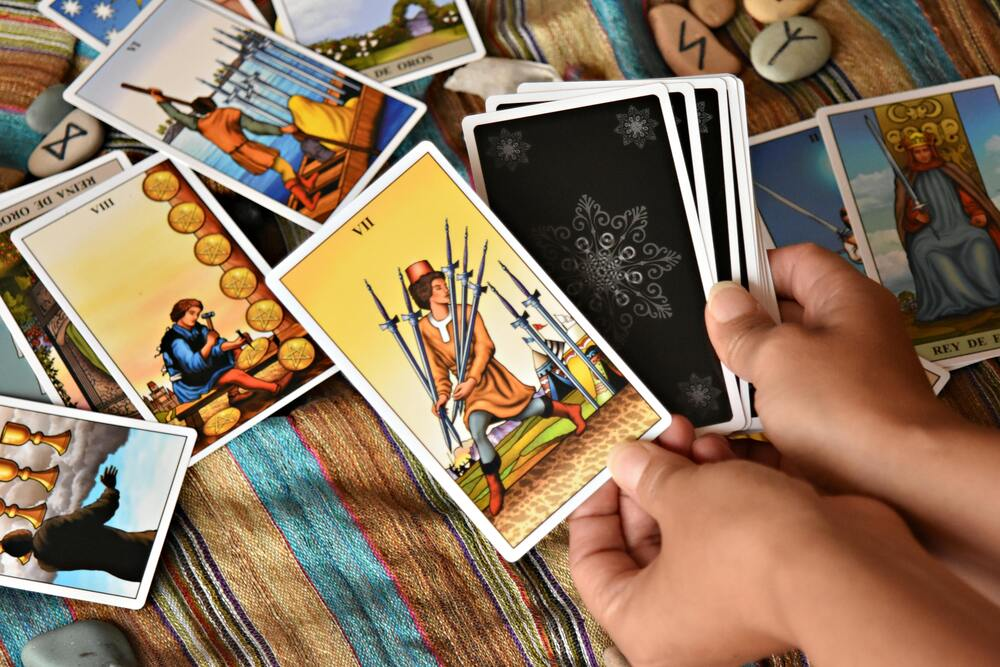
At some point in your tarot practice, it happens.
You shuffle.
You draw.
And there it is again.
The same card.
Maybe it’s subtle at first. Then it becomes undeniable.
“Why do I keep pulling this?”
“Is this card trying to tell me something?”
If you’ve been reading tarot for a while, you already know this isn’t random noise. But it’s also not quite what most people think.
Let’s clear something up:
👉 The card isn’t “following you.”
👉 You are returning to the same pattern.
The Myth of the “Persistent Card”
It’s tempting to interpret repetition as something mystical:
- “This card keeps finding me”
- “The universe is sending me a message”
That framing isn’t wrong—but it’s incomplete.
Because what’s actually happening is far more useful:
You are encountering the same internal or external condition repeatedly—and your readings are reflecting it.
Tarot doesn’t create patterns.
It reveals them.
Why Repetition Happens
When a card shows up again and again, it’s usually because:
- A decision remains unresolved
- A behaviour hasn’t changed
- A situation is repeating in different forms
- Or your response to something is consistent—even if you’re not aware of it
In other words:
The system hasn’t updated yet. So the signal stays the same.
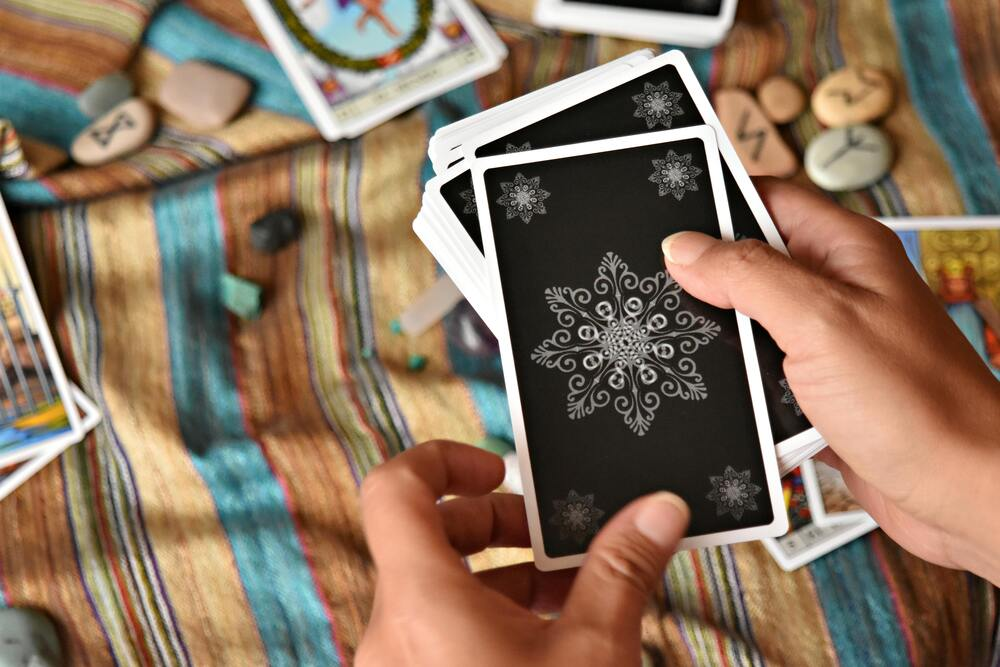
The Shift: From Meaning to Pattern
Most interpretations focus on:
“What does this card mean?”
But repetition invites a better question:
“Where in my life does this pattern keep showing up?”
This is where tarot moves from symbolic reading to pattern recognition.
Let’s look at what that actually looks like.
Example 1: Repeated Pulls of The Moon
You keep drawing The Moon.
At first, it reads as:
- uncertainty
- illusion
- emotional confusion
But over time, something becomes clearer.
You notice:
- it appears during high-stress periods
- often before decisions you feel unsure about
- especially when emotions are involved
The deeper pattern might be:
You avoid clarity when emotions become uncomfortable.
Not consciously. But consistently.
The Moon isn’t warning you about the future.
👉 It’s reflecting how you respond when things feel uncertain.
Example 2: The Tower Keeps Appearing
Few cards get attention like The Tower.
If it shows up repeatedly, it can feel dramatic—even unsettling.
But look closer.
When does it appear?
- Before major changes?
- When something is already unstable?
- When you’re holding onto something that isn’t working?
The pattern might be:
You delay necessary change until it becomes unavoidable.
So the “shock” of The Tower isn’t random.
It’s the result of pressure building over time.
Example 3: Dominance of the Swords Suit
Instead of a single card, you notice a pattern:
- Swords
- More Swords
- Still more Swords
This isn’t coincidence.
The Swords suit is linked to:
- thought
- conflict
- tension
- analysis
If it dominates your readings, it often signals:
You are operating heavily in the mental space—possibly overthinking or navigating conflict.
And more importantly:
- Are these internal conflicts?
- Or external ones?
- Are you resolving them—or cycling through them?
Example 4: The Same Card Before the Same Situation
This is where things get really interesting.
You might notice:
- A specific card appears before work meetings
- Another shows up during relationship decisions
- Another appears when you’re about to delay something
Now you’re no longer looking at tarot as symbolism.
👉 You’re looking at predictive patterns of behaviour
Not in the mystical sense—but in the psychological sense.
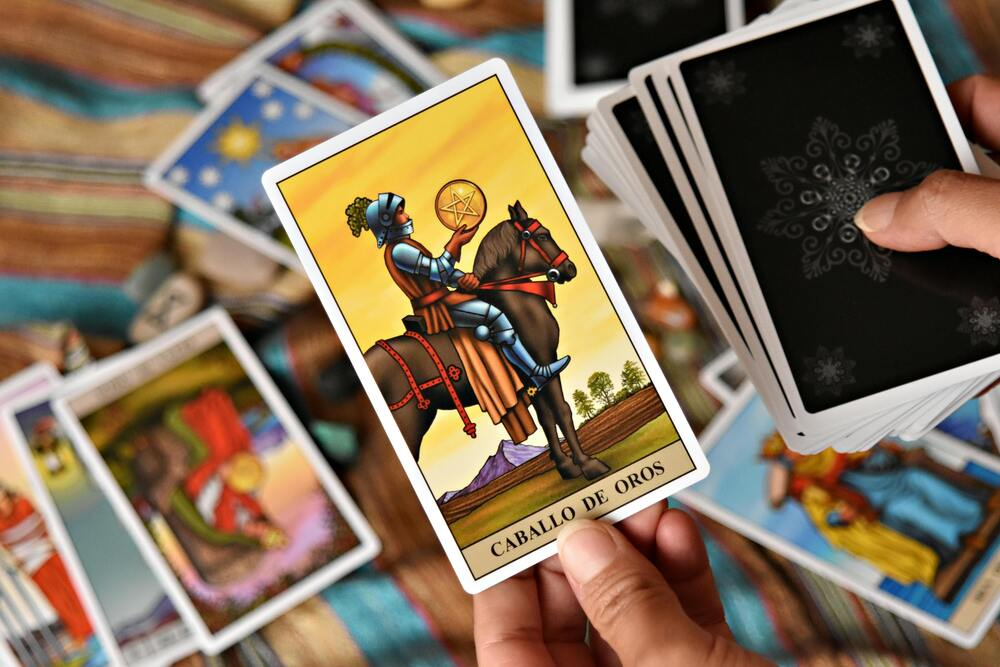
What Repetition Is Really Telling You
When a card repeats, it’s not shouting louder.
It’s staying consistent.
Because:
The underlying condition hasn’t changed.
And until it does, the pattern will continue to surface.
Why Most Tarot Practices Miss This
Even experienced readers often:
- interpret each reading in isolation
- focus on meaning, not recurrence
- rely on memory instead of tracking
And memory is unreliable.
You might feel like a card appears often…
…but without tracking, you can’t see:
- how often
- when
- and in what context
The Missing Layer: Pattern Awareness
This is where your practice evolves.
Instead of asking:
“Why do I keep pulling this card?”
You start asking:
“What pattern is this card consistently reflecting?”
And to answer that properly, you need:
- context
- history
- and visibility over time
Turning Repetition into Insight
Here’s how to make repeated cards actually useful:
1. Track When They Appear
Log:
- the situation
- your state of mind
- the decision you were facing
2. Look for Context, Not Just Frequency
It’s not just how often a card appears.
It’s:
when it appears
3. Compare Across Time
Patterns emerge across:
- weeks
- decisions
- emotional states
4. Ask the Right Question
Not:
“What does this card mean?”
But:
“What keeps triggering this pattern in me?”
Where This Changes Everything
When you start seeing repetition clearly:
- tarot stops being reactive
- and becomes reflective
You’re no longer interpreting symbols.
👉 You’re understanding your own behaviour.
How Seren Surfaces This Automatically
This is exactly what Seren — the Self-Evolving Reflective Engine Network is designed to do.
Instead of relying on memory, Seren:
- tracks your readings over time
- identifies recurring cards and suits
- maps them against your decision context
- highlights patterns you might miss
So instead of wondering:
“Why do I always get The Tower?”
You can see:
“The Tower appears before decisions I’ve been avoiding for more than 3 days.”
That’s not mystical.
That’s actionable.
Final Thought
A repeated card isn’t a coincidence.
It’s consistency.
And consistency is where insight lives.
So the next time you see the same card again, don’t ask:
“Why is this happening to me?”
Ask:
“What in my life keeps creating this?”
Because once you see that clearly—
you’re no longer just reading tarot.
You’re reading yourself.